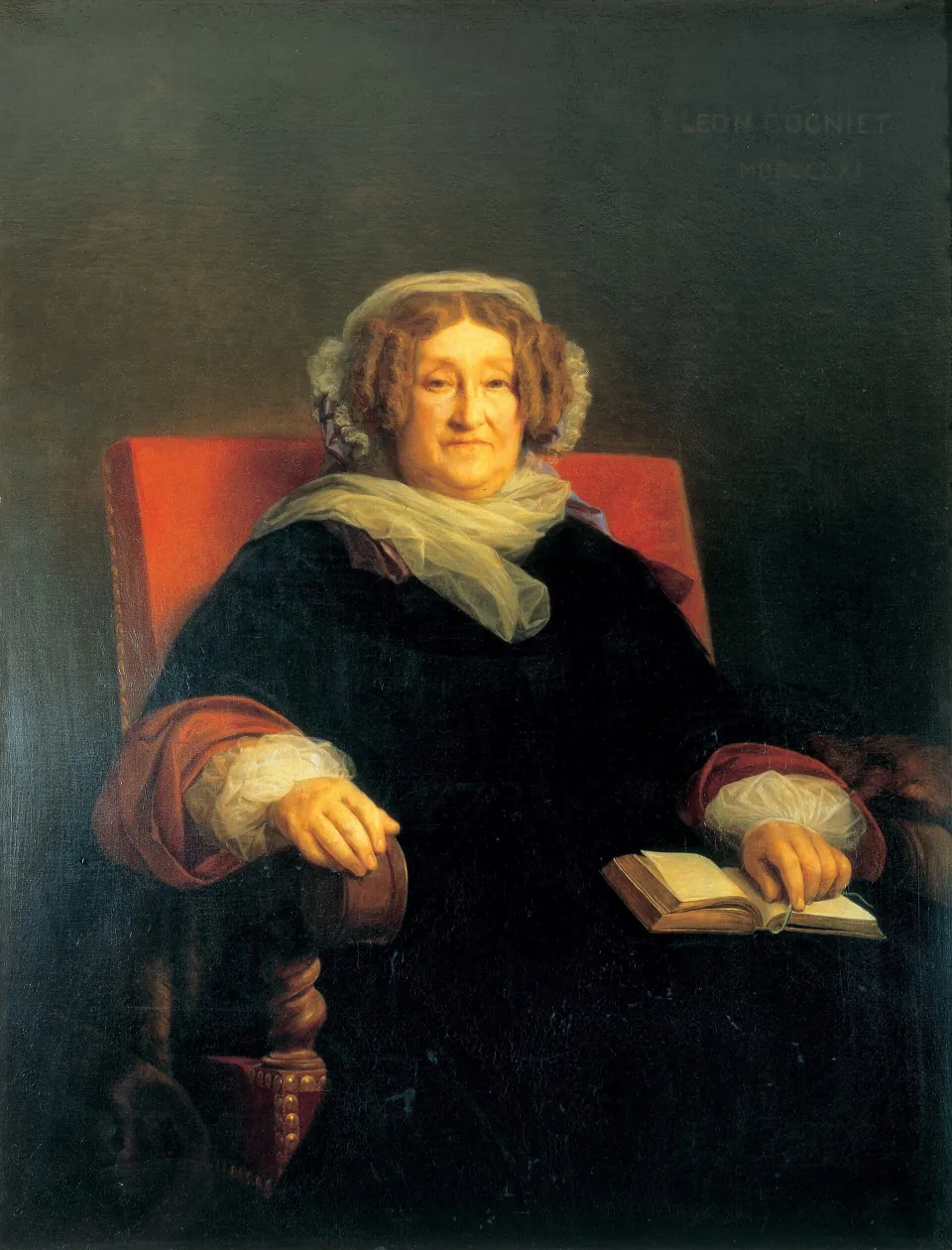
When François Clicquot died of a fever in 1805, his widow was 27, the mother of a daughter and, under the law of Napoleonic France, barely able to do business: a married woman could not sign a contract without her husband. A widow could. Barbe-Nicole Ponsardin, daughter of a Reims textile manufacturer, persuaded her father-in-law to let her have the small trading house that dealt in wine, wool and banking. She kept the wine, dropped the rest and put her name on the label: Veuve Clicquot Ponsardin. “Veuve”, widow, was then a mark of respectability, not a brand asset.
A race to Russia
Her greatest coup was a race. Napoleon’s continental blockade had closed Russia to French wine, and the Russian court loved champagne, preferably sweet. In the spring of 1814, as the blockade fell, Madame Clicquot secretly dispatched a ship with some 10,550 bottles of her 1811 vintage, the “comet vintage”, named after the great comet that hung in the sky for months that year. The bottles arrived ahead of the competition, and soon St Petersburg was drinking “Klikofskoe”. Russia remained her most important market for decades.
To drop at the apéro
If your champagne is clear, thank a kitchen table: around 1816 Madame Clicquot had holes drilled into one at an angle so the sediment would slide into the neck.
A table full of holes
Her invention was a table. Champagne was then delivered cloudy, because the yeast of the second fermentation stayed in the bottle; anyone who wanted clear wine had to decant it and lost fizz in the process. Around 1816, so the story goes, Madame Clicquot had holes drilled at an angle into her kitchen table and the bottles pushed in neck down. Turned and tilted regularly, the sediment gathered in the neck, where it could be removed in one movement. She kept riddling, remuage, secret for years. Today it is a compulsory step of bottle fermentation, by hand on a pupitre or by machine in a gyropalette.
Rosé, yellow and a word
In 1818 she blended red wine from Bouzy into her champagne and created the first rosé d’assemblage, the method by which most rosé champagne is still made. The famous yellow label she never saw: the house registered it as a trademark in 1877, eleven years after her death. The La Grande Dame cuvée has carried her honorific since 1972. So next time a bottle with a yellow label lands on the table, look at the word Veuve: it remembers a woman who turned a disadvantage into a global business.