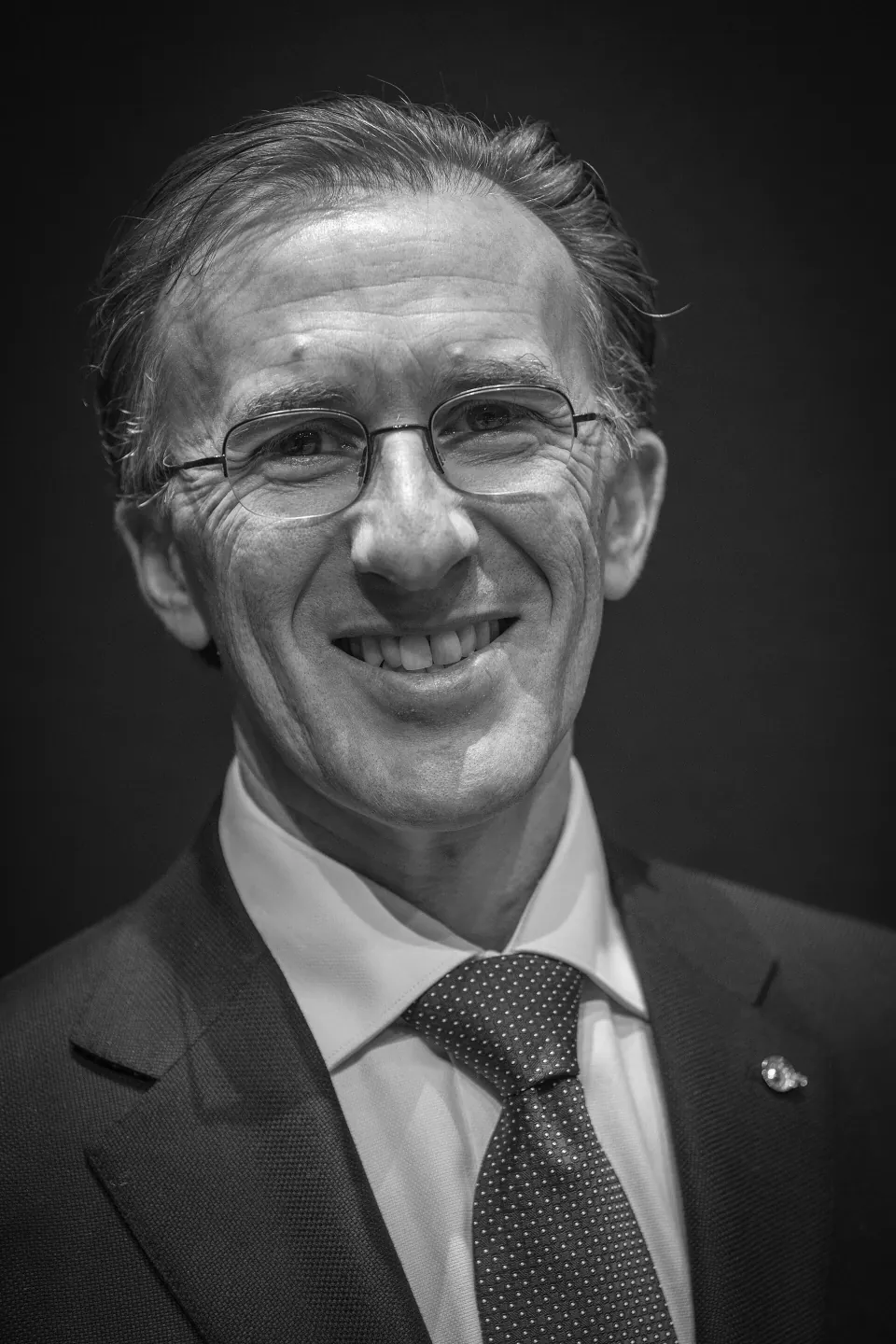
Tokyo, March 2013: on the stage stands a man from Ticino who has finished second three times, in Montreal in 2000, in Rhodes in 2007, in Santiago de Chile in 2010. Then his name is called. Paolo Basso, born in 1966 near Varese, a Swiss citizen long based in the Mendrisiotto, is world champion of sommeliers. Behind him come Canada’s Véronique Rivest, the first woman on a podium of this contest, and Belgium’s Aristide Spies.
A tournament, not a diploma
The championship is run by the Association de la Sommellerie Internationale (ASI), founded in Reims in 1969. The first contest took place in Brussels the same year and was won by the Frenchman Armand Melkonian; Milan followed in 1971 and Lisbon in 1978. Since 1983 a new champion has usually been crowned every three years, in a host city that changes each time. Only the national champions of their associations may compete; in Switzerland the Association suisse des sommeliers professionnels (ASSP) selects them. Unlike the Master Sommelier, it is not a diploma but a tournament: there is only one winner.
To drop at the apéro
Paolo Basso from Ticino was runner-up in 2000, 2007 and 2010 before taking the title in Tokyo in 2013; in 2019 Marc Almert, head sommelier at the Baur au Lac hotel in Zürich, won at the age of 27.
What the candidates must be able to do sounds like a decathlon. Identify wines and spirits blind and describe them precisely within minutes; decant a bottle while the clock runs; share one bottle of Champagne evenly around a whole table without a drop left over; find the wrong vintages, appellations and grapes on a booby-trapped wine list; name wines for a menu in seconds; and all of it in front of an audience, in foreign languages and with a smile, because poise is marked too.
From Dubs to Haram Svorte
The roll of honour shows how the wine world has shifted: for a long time French winners such as Serge Dubs in 1989, then Germany’s Markus Del Monego in 1998, Italy’s Enrico Bernardo in 2004, Sweden’s Andreas Larsson in 2007, the England-based Frenchman Gérard Basset in 2010, Basso in 2013, Sweden’s Arvid Rosengren in 2016. In 2019 in Antwerp, Germany’s Marc Almert, head sommelier of the Baur au Lac hotel in Zürich, won at the age of 27, a second title for a workplace in Switzerland. In 2023 in Paris, Latvia’s Raimonds Tomsons took the title; in 2026 in Lisbon, Norway’s Nikolai Haram Svorte did, ahead of France’s Pascaline Lepeltier and Japan’s Wataru Iwata.
Ask the sommelier
For you at the table it means this: behind the word sommelier is a profession with a world championship, not a pose. A good sommelier does not want to impress but to find the wine that suits your food, your taste and your budget. Ask what they would drink themselves tonight, and you will learn more than from any score.