The wall of the wine shop is covered in stickers: three glasses, a star, a gold medal, “Top 100”, “92 points”. Each comes from a different world with its own rules, and knowing them makes buying more relaxed. There are two basic forms: the guide, which an editorial team rewrites every year, and the competition, to which producers submit their wines.
Three glasses, one coup de cœur
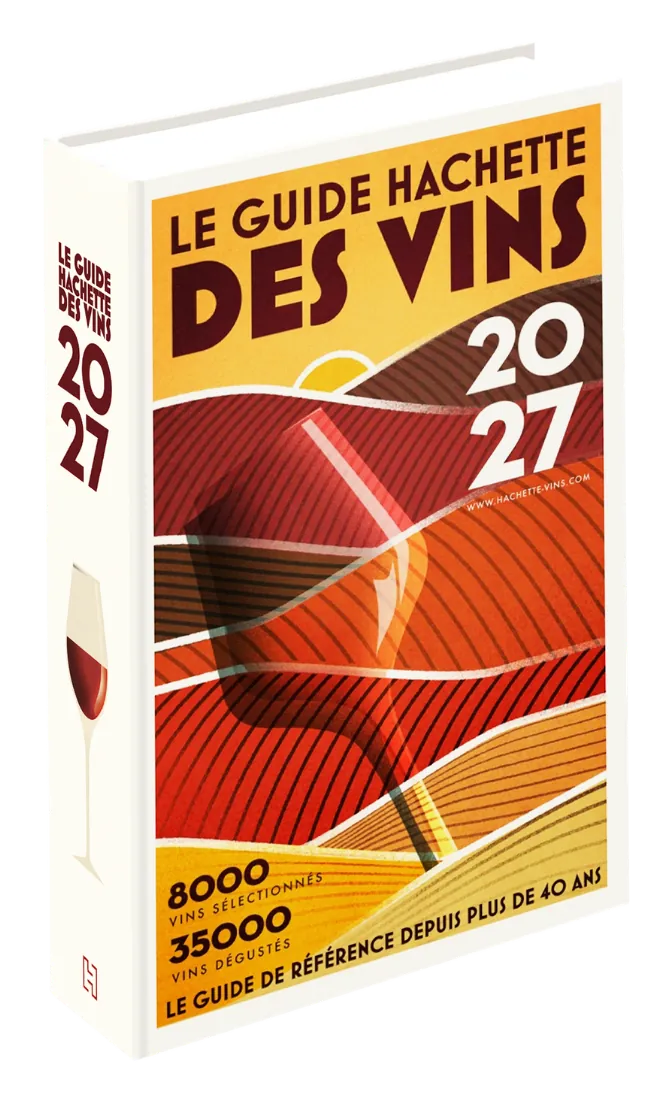
The guides have national characters. In Italy, since the late 1980s, Gambero Rosso and its guide “Vini d’Italia” are what count: the top award, the Tre Bicchieri or three glasses, goes to a few hundred wines a year, which then go on tour from Tokyo to New York. In France, since 1985, panels for the Guide Hachette taste blind and give zero to three stars, plus one “coup de cœur” per appellation. In the United States the “Wine Spectator” Top 100 has appeared every autumn since 1988, a ranking that weighs price, availability and an “excitement factor” alongside the score. For Switzerland there are the Zürich magazine Vinum, founded in 1980 and now published in several national editions, and Gault&Millau with its wine guide; from Vienna comes Falstaff.
To drop at the apéro
Under the OIV’s rules, at most 30 % of the wines entered in a competition may win a medal; a gold medal therefore also tells you that the estate was willing to compete at all.
Entrants pay
Competitions are a different thing: here the estates enter and pay a fee per wine. The Concours Mondial de Bruxelles, founded in 1994 and hosted by a different city every year, and the Decanter World Wine Awards from London, since 2004 the largest competition in the world, with almost 17,000 wines in 2026, are the best known. In Switzerland, Vinea in Sierre has organised the Mondial des Pinots since 1998, the only competition in the world reserved for the Pinot family, and, with Vinum, since the mid-2000s the Grand Prix du Vin Suisse, the championship of Swiss wines with its gala in Bern.
For a medal to be worth something there are rules. Competitions under the patronage of the International Organisation of Vine and Wine (OIV) may reward at most 30 % of the wines entered; the panels score blind on 100-point sheets, gold starts at 89 since the guidelines of 2025, grand gold at 93. A faulty wine fails, and so does an untypical one.
At Decanter 85 per cent of the wines win a medal; under the OIV’s rule, at most 30 per cent
The share of the wines entered that won a medal at the latest edition.
- capped: at 30 per cent (OIV, Swiss oenologists) or a third (France)
- no cap
- 30 per cent
- in Switzerland
Sources: the organisers; medals of every level divided by the wines the organiser gives as entered. Merit labels and certificates below the medals are not counted. Veritas counts its brandies.
Reading the sticker
How to read a sticker: who awarded it, for which vintage and in which category? A gold medal says the wine is clean, typical and well made, and that the estate was willing to be compared. It does not say you will love it. For that, the guide’s text helps, or, better still, the merchant who has drunk it.