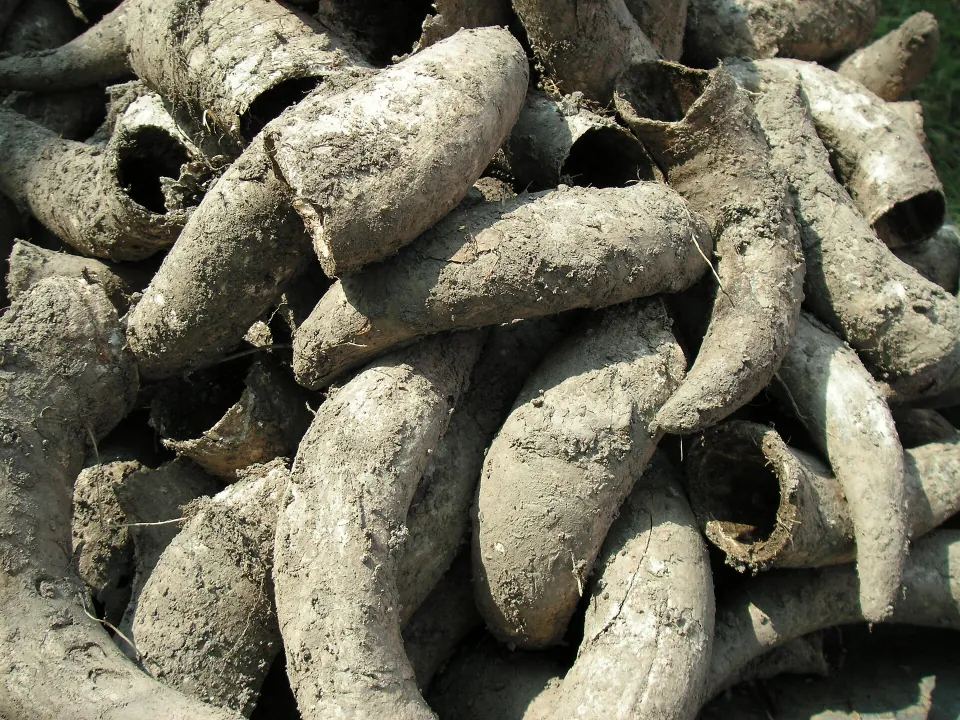
Every autumn at Coulée de Serrant on the Loire, cow horns are stuffed with manure and buried in the vineyard; in spring they are dug up, the contents are stirred into water for an hour, alternately clockwise and anticlockwise, and sprayed on the soil in homeopathic doses. Nicolas Joly has farmed this way since the early 1980s and has written books about it. His neighbours once laughed. Today Domaine de la Romanée-Conti, Domaine Leroy, Chapoutier in the Rhône and Zind-Humbrecht in Alsace farm the same way, and so do a good number of Swiss estates.
Eight lectures at Koberwitz
The method goes back to Rudolf Steiner, the Austrian founder of anthroposophy, who gave eight lectures on agriculture at Koberwitz near Breslau in June 1924. He saw the farm as a living organism within the rhythms of the cosmos. From the lectures came the preparations, numbered 500 to 508: horn manure (500) and horn silica (501) sprayed on soil and leaves, six compost preparations from yarrow to valerian, and horsetail tea against fungus. The Demeter trademark for biodynamic produce dates from 1928. Maria Thun’s sowing calendar, from the 1960s, added root, leaf, flower and fruit days set by the moon’s path through the constellations.
To drop at the apéro
Biodynamic growers bury cow horns stuffed with manure in autumn and dig them up in spring; Domaine de la Romanée-Conti does it too.
The wine world converted in two waves: a handful of French pioneers around Joly in the 1980s, then the great names in the 1990s and 2000s, when Lalou Bize-Leroy’s Burgundies showed what the vineyards could give. The certifications are Demeter, the French Biodyvin (1995) and respekt-BIODYN, founded in 2007 by Austrian, German and Swiss growers. In Valais, Marie-Thérèse Chappaz in Fully farms her Petite Arvine and Ermitage under Demeter and is the country’s best-known example.
The science is divided
Does it work? The science is divided. The cosmic part has no measurable basis, and controlled trials rarely separate biodynamic from well-run organic plots. But the method forces a grower to walk the vines constantly, forbids synthetic sprays and herbicides, and visibly improves soil life; most converts say the wines taste more precise. The sceptics had their moment in 2009, when Tesco and Marks & Spencer invited wine critics to taste only on “fruit” and “flower” days of the calendar, and the trade argued for weeks about whether a wine can taste worse on a root day.
A logo, not a flavour
For the glass: a Demeter logo promises organic farming plus the preparations, not a flavour. Taste the wines of Joly, Chappaz or Leroy and judge the moon for yourself.