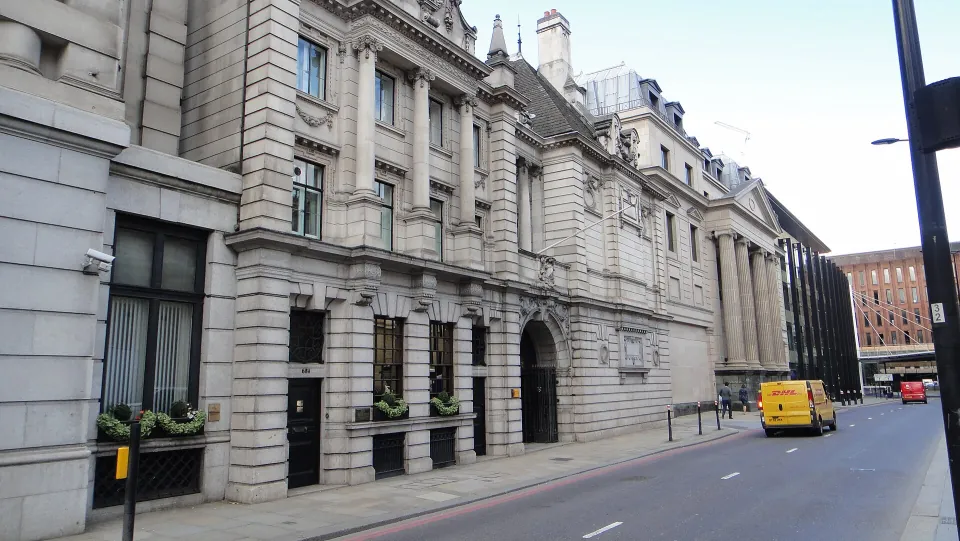
Two letters after the name, and the wine world falls silent for a moment: MW. The Master of Wine is neither an academic degree nor a sommelier’s diploma but the certificate of the Institute of Masters of Wine in London that someone has understood wine from vine to shelf, in theory and in the glass. It all began in 1953 as an exam of the British wine trade at Vintners’ Hall: 21 candidates sat, six passed. Those six founded the Institute in 1955. For decades the title remained a London trade affair; in 1984 Jancis Robinson became the first person from outside the trade to pass, and since the 1980s the programme has been open to the world.
36 wines over three mornings
The exam is notorious, and rightly so. The theory fills several days with essays on viticulture, winemaking, the wine business and contemporary issues, from closures to climate change. The practical consists of three blind tastings of twelve wines each on three mornings: grape, origin, quality, vintage, winemaking, all argued in writing. Whoever passes both writes a research paper on a subject of their choice. In an ordinary year only a few dozen people make it through, most after several attempts and five years or more. There are about 400 Masters of Wine today in some 30 countries, fewer than the people who have stood on Everest.
To drop at the apéro
At the first exam in 1953, 21 candidates sat and six passed; seven decades later there are still only about 400 Masters of Wine in the whole world.
What do they do then? Strikingly many write: Jancis Robinson, Michael Broadbent, Tim Atkin. Others buy for merchants, advise estates or make wine themselves. The first Swiss was Philipp Schwander, who passed in 1996 and remained the only Swiss holder for about twenty years; he ran the buying of major Zürich and St. Gallen wine houses before founding his own import business in 2003. For the Swiss wine scene it was a signal: you can sit in Zürich and still be among the world’s best wine judges.
A desk, not a dining room
The difference from the Master Sommelier is the workplace. The Master Sommelier stands in the dining room and must identify six wines blind in 25 minutes while serving a bottle without a slip. The Master of Wine sits at a desk and must explain why. For your glass it means this: when “MW” follows the name on the back of a wine guide, someone has tasted for a very long time, very carefully.