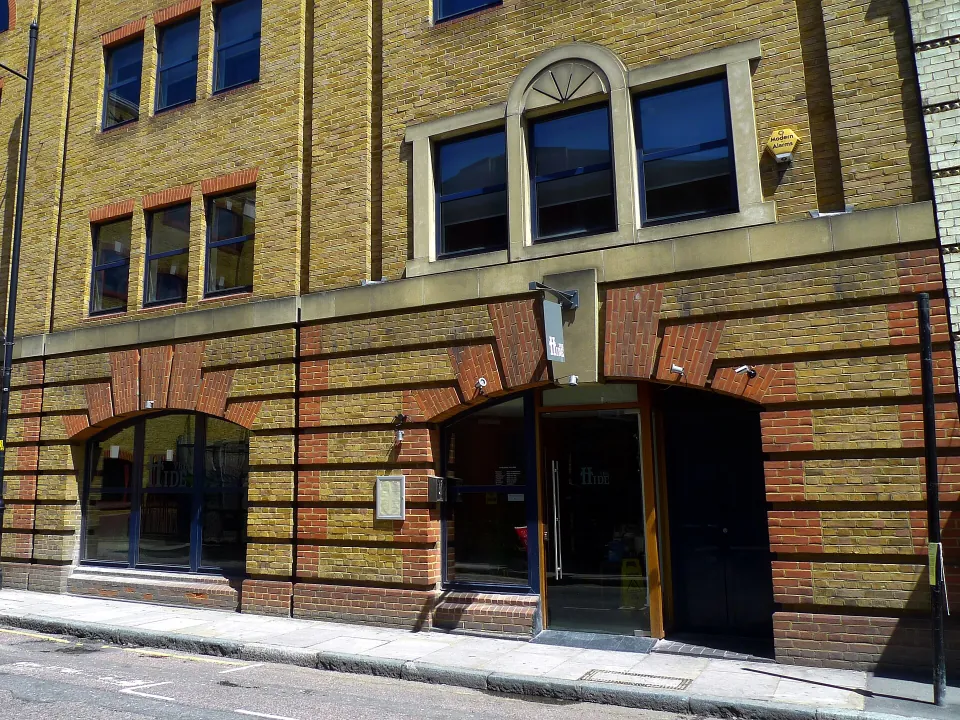
London, 1969: the British wine trade has a problem. In shops and restaurants, people are selling wine who have never learnt what is in the bottle. So the Vintners’ Company, one of the old London guilds, and the trade association found a school: the Wine & Spirit Education Trust. In its first year fewer than 2,000 candidates sign up, all of them in Britain. Fifty years later there are more than 100,000 a year, in some 70 countries and 15 languages. The course for shop assistants and waiters has become the largest wine school in the world, and its vocabulary is the language the wine world tastes in today.
Four levels, one diploma
The school has four levels. Level 1 is a day: the main grapes, how to describe a wine, what goes with which dish. Level 2 is the classic for wine lovers: about 30 grape varieties, the great regions, how to read a label, usually three days of classes and a multiple-choice exam. Level 3 asks more: why does a Mosel Riesling taste different from one from the Wachau? Here you taste blind and explain in writing. Level 4, the Diploma, takes about two years, has six units from wine production to the wine business, and is the usual ticket into the Master of Wine programme. In 2024 about 2,000 candidates worldwide sat a Diploma exam.
To drop at the apéro
WSET began in 1969 with fewer than 2,000 candidates in Britain; today more than 100,000 people a year sit one of its exams in about 70 countries.
The heart of the school is the Systematic Approach to Tasting, the SAT: a grid that questions every wine in the same order. Appearance, nose, palate, conclusion. Acidity high, medium or low; tannin, body, finish; aromas from fixed lists, from lemon and green apple to leather and mushroom. It feels mechanical at first, but the point is clear: two people in Tokyo and Zürich mean the same thing by “medium-plus acidity”. Once you have tasted your way through the grid, you recognise it everywhere, in wine descriptions, in tasting notes, in the explanations of this quiz.
A short route in Switzerland
For readers in Switzerland the route is short: WSET courses are taught by approved providers in Switzerland too, in German, French and English. Level 2 is, for most people, the point at which wine stops being a lottery: you read a label and know what to expect. The small lapel pin gives away the level, by the way, and whoever wears one usually has a story to go with it at the apéro.