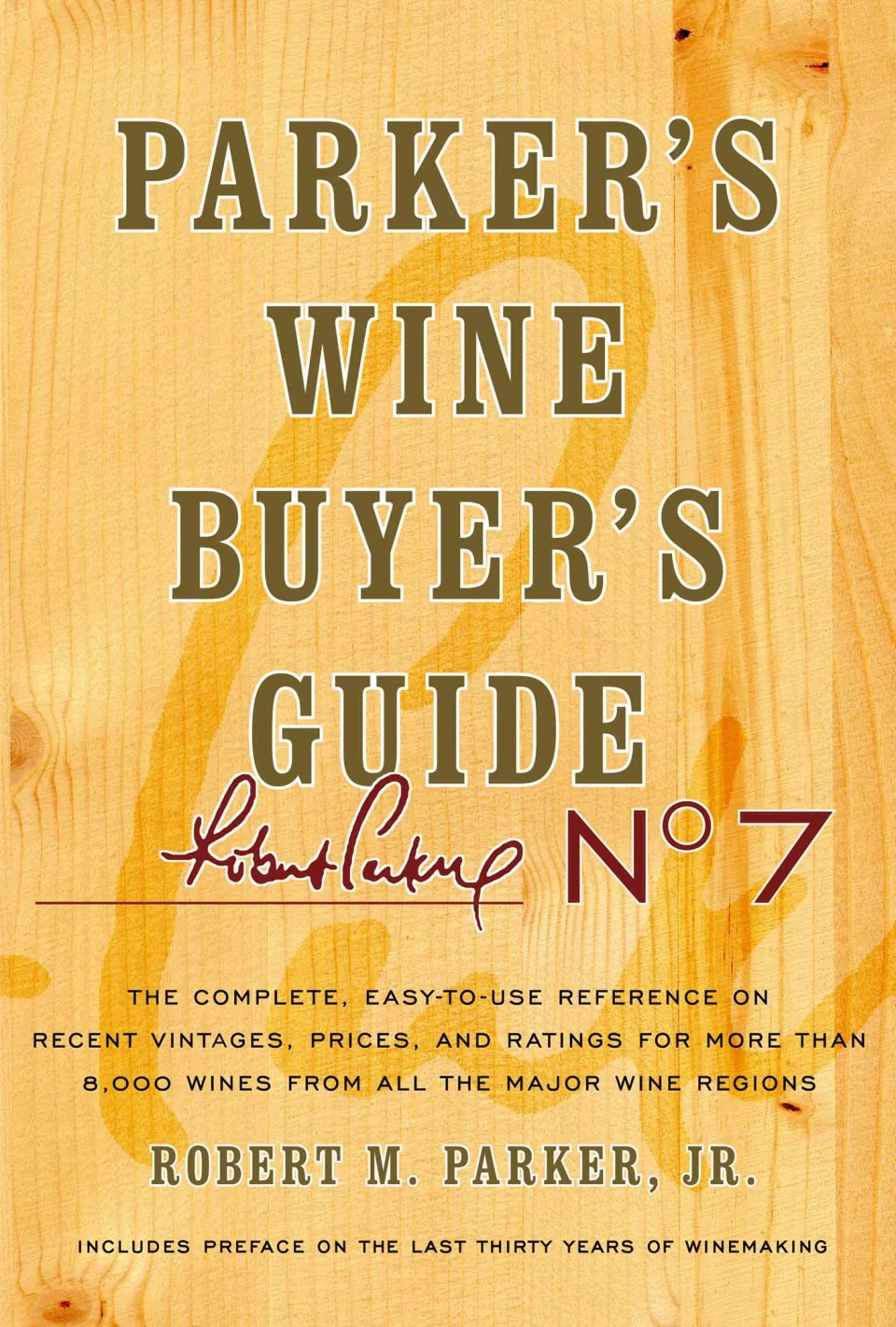
In 1978 a 31-year-old lawyer from Baltimore mailed the first issue of a newsletter he called “The Wine Advocate”: an advocate for consumers, modelled on the consumer campaigner Ralph Nader. Robert Parker, born in 1947, took no advertising, bought his own wines and wrote so that people understood him. And he graded like an American schoolteacher: from 50 to 100 points, instead of stars or the European 20-point scale.
The 1982 vintage
The breakthrough came with the 1982 vintage in Bordeaux. While established critics found the young wines too opulent and too soft, Parker declared them the vintage of the century and advised buying as much as possible. He was right, prices rose, and from then on a number from Maryland moved markets: 100 points could multiply a wine’s price overnight, 85 points could put an estate in trouble. Merchants printed his scores on shelf tags, importers built their ranges around his palate.
To drop at the apéro
Parker sold a majority of his newsletter in 2012 for about 15 million dollars to investors from Singapore; since 2019 “The Wine Advocate” has belonged entirely to the tyre maker Michelin.
The charge of Parkerisation
With the power came the criticism. Because Parker loved ripe, dense, oak-marked reds, so the charge went, producers from Bordeaux to Spain made their wines for him; “Parkerisation” became a term of abuse, and the documentary “Mondovino” made him the symbol of a globalised taste. Parker fought back: he only described what was in the glass, and anyone who followed him did so freely. France admitted him to the Legion of Honour, something that had never happened to a wine critic.
In 2012 he sold a majority of his newsletter for about 15 million dollars to investors from Singapore and handed over the editorship; in 2019 he retired completely, and Michelin, a shareholder since 2017, took over “The Wine Advocate” entirely. The 100-point scale has outlived him: practically every major publication now scores that way, and “Parker points” still sit on price tags in many wine shops.
What a number tells you
What a number can and cannot tell you: 95 points mean that an experienced palate found the wine outstanding on a particular day. They say nothing about whether it suits your fondue, whether you like powerful or delicate wines, or whether it drinks well now or only in ten years. Read the note beside the number: that is where you learn who the wine is made for.